
Welcome to the ultimate guide on NetSuite vs. Oracle: A Business Analyst’s Guide for Mid-Sized Firms. Dive into the comparison of these two giants in the business software realm and discover which one is tailored for mid-sized firms.
Explore the features, pricing, implementation, and customization options to make an informed decision for your business.
NetSuite vs. Oracle: A Business Analyst’s Guide for Mid-Sized Firms
When it comes to choosing the right enterprise resource planning (ERP) solution for mid-sized firms, the decision between NetSuite and Oracle can be crucial. Both platforms offer a wide range of features and capabilities, but they cater to different business needs and requirements.
Key Differences Between NetSuite and Oracle
NetSuite is a cloud-based ERP solution that is known for its scalability, flexibility, and ease of use. It is specifically designed for mid-sized businesses looking to streamline their operations and improve efficiency. On the other hand, Oracle offers a more comprehensive suite of products and services, including database management, business intelligence, and customer experience solutions. While Oracle may have a steeper learning curve, it provides a more robust and integrated solution for businesses with complex needs.
Specific Features of NetSuite for Mid-Sized Businesses
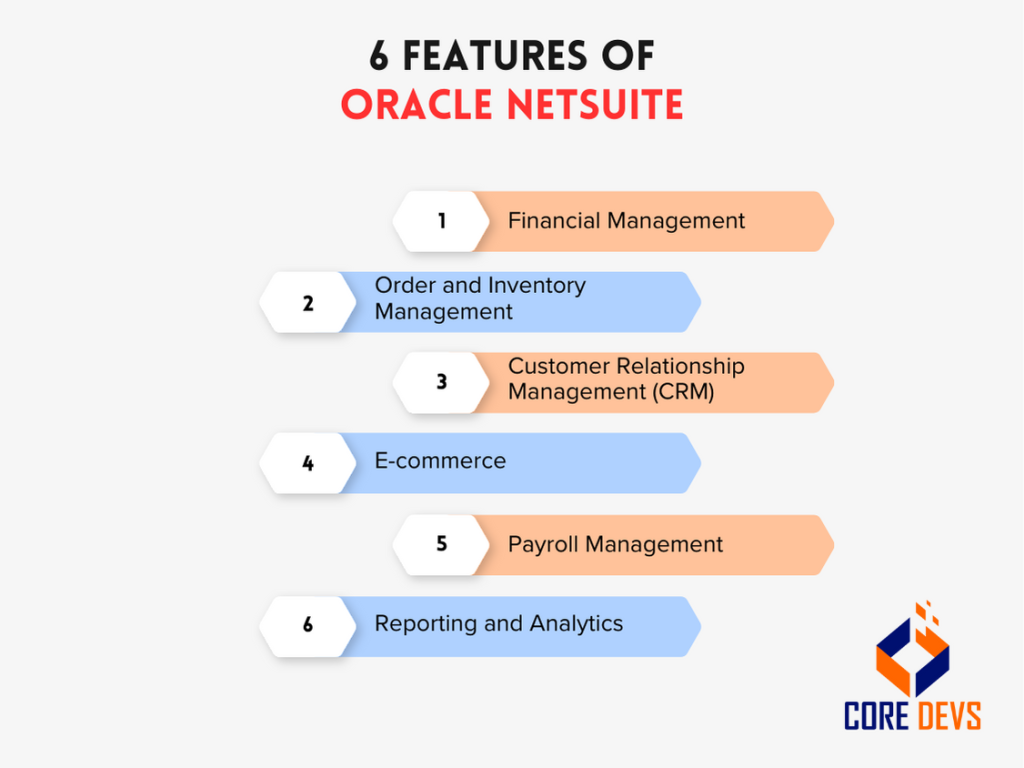
- Cloud-based architecture for easy access and scalability
- Integrated modules for financial management, inventory, and CRM
- Customizable dashboards and reporting tools for real-time insights
- E-commerce capabilities for online sales and marketing
- Mobile access for on-the-go management and decision-making
How Oracle's Offerings Benefit Mid-Sized Firms Compared to NetSuite
- Comprehensive suite of products for end-to-end business solutions
- Advanced database management for handling large volumes of data
- Business intelligence tools for data analysis and decision-making
- Customer experience solutions for enhancing client interactions and satisfaction
- Scalability to support business growth and expansion
Pricing Structures
When it comes to choosing between NetSuite and Oracle for mid-sized businesses, understanding the pricing structures is crucial in making an informed decision.Comparison of Pricing Models
- NetSuite: NetSuite offers a subscription-based pricing model, where businesses pay a monthly or annual fee based on the number of users and the modules they require. This can provide more predictability in budgeting.
- Oracle: Oracle, on the other hand, typically follows a traditional licensing model where businesses pay an upfront cost for the software and then ongoing maintenance fees. This may involve higher initial costs but lower long-term expenses.
Scalability of Pricing Options
- NetSuite: NetSuite's pricing options are known for their scalability, allowing mid-sized firms to easily adjust their subscription as their business grows or changes. This flexibility can be beneficial for companies experiencing rapid expansion.
- Oracle: Oracle also offers scalability in pricing but may require additional licensing or modules as the business scales up, potentially leading to higher costs in the long run.
Hidden Costs to Consider
- Implementation Costs: Both NetSuite and Oracle may have additional costs associated with implementation, customization, and training. It's essential for mid-sized firms to factor in these expenses when budgeting.
- Integration Costs: Integrating the software with existing systems or third-party applications can incur extra costs. Mid-sized firms should carefully assess the integration requirements of NetSuite and Oracle to avoid unexpected expenses.
- Maintenance Costs: Ongoing maintenance and support fees should also be considered when choosing between NetSuite and Oracle. These costs can vary based on the level of support required by the business.
Implementation Process
In the implementation process for NetSuite and Oracle systems in mid-sized firms, it is crucial to follow a structured approach to ensure a successful integration. Here, we will provide a step-by-step guide on how mid-sized businesses can integrate NetSuite into their operations and discuss common challenges faced during the implementation of Oracle systems.Integrating NetSuite into Mid-Sized Firms
Integrating NetSuite into mid-sized firms can streamline operations and enhance efficiency. Here is a step-by-step guide on how to successfully implement NetSuite:
- Assessment of Business Needs: Conduct a thorough assessment of your business processes and identify areas where NetSuite can bring the most value.
- Customization and Configuration: Customize NetSuite to align with your specific business requirements and configure the system to meet your needs.
- Data Migration: Transfer existing data to NetSuite accurately to ensure a smooth transition and continuity of operations.
- User Training: Provide comprehensive training to employees to ensure they are familiar with the system and can maximize its potential.
- Testing and Quality Assurance: Conduct rigorous testing to identify any issues or discrepancies and ensure that the system functions as intended.
- Go-Live and Support: Roll out NetSuite across the organization and provide ongoing support to address any issues that may arise post-implementation.
Challenges in Implementing Oracle Systems
Implementing Oracle systems in mid-sized firms can present unique challenges that need to be addressed for a successful integration. Some common challenges include:
- Complexity of the System: Oracle systems are known for their complexity, requiring specialized knowledge and expertise for implementation.
- Resource Constraints: Mid-sized firms may face resource constraints in terms of budget, IT personnel, and time, which can impact the implementation process.
- Data Migration Issues: Data migration from legacy systems to Oracle can be a complex and time-consuming process, leading to potential data integrity issues.
- User Adoption: Ensuring user adoption and buy-in for Oracle systems among employees can be a challenge, requiring effective change management strategies.
- Integration with Existing Systems: Integrating Oracle systems with existing systems and applications within the organization can pose compatibility and interoperability challenges.
Customization and Integration Capabilities
Customization and integration are key factors to consider when choosing between NetSuite and Oracle for mid-sized firms. Let's dive into the details of the customization options available within NetSuite and the integration capabilities of Oracle with existing systems in mid-sized businesses.Customization Options in NetSuite
NetSuite offers a wide range of customization options to tailor solutions specifically to the needs of mid-sized firms. Some of the key customization features include:
- Custom Fields and Forms: Easily create custom fields and forms to capture unique data points relevant to your business.
- Workflows: Design and automate custom workflows to streamline processes and improve efficiency.
- Personalization: Customize dashboards and reports to display critical information in a way that makes sense for your business.
Integration Capabilities of Oracle
Oracle provides strong integration capabilities to seamlessly connect with existing systems in mid-sized businesses. Here are some integration features offered by Oracle:
- Pre-built Connectors: Oracle offers pre-built connectors for popular systems, making integration easier and faster.
- API Integration: Utilize Oracle's robust APIs to connect with third-party applications and systems.
- Data Migration: Smoothly migrate data from legacy systems to Oracle with data integration tools.
Maximizing Customization and Integration Benefits
When choosing between NetSuite and Oracle, it's essential to design a strategy for maximizing customization and integration benefits based on your unique business requirements. Consider the following tips:
- Identify Key Requirements: Clearly define your business requirements and prioritize customization and integration needs.
- Consult with Experts: Work closely with business analysts and IT professionals to assess the feasibility of customization and integration options.
- Test and Iterate: Continuously test and iterate on customization and integration solutions to ensure they align with your business goals.
Last Recap
In conclusion, NetSuite and Oracle each offer unique advantages for mid-sized firms. By understanding their differences and capabilities, businesses can choose the right solution to propel their growth and success.
User Queries
What are the key differences between NetSuite and Oracle for mid-sized firms?
NetSuite is known for its cloud-based, all-in-one solution, while Oracle offers a broader range of products and services.
How can mid-sized businesses benefit from Oracle's offerings compared to NetSuite?
Oracle's extensive suite of products can cater to various business needs and provide a more comprehensive solution for mid-sized firms.
What hidden costs should mid-sized firms be aware of when choosing between NetSuite and Oracle?
Both NetSuite and Oracle may have additional costs for customization, add-ons, and support services beyond their base pricing.
What are the common challenges faced during the implementation of Oracle systems in mid-sized firms?
Integration complexities, data migration issues, and adapting to new workflows are common challenges during Oracle system implementations.